C.O.P.31 Summit Deadlock Highlights Global Climate Divide
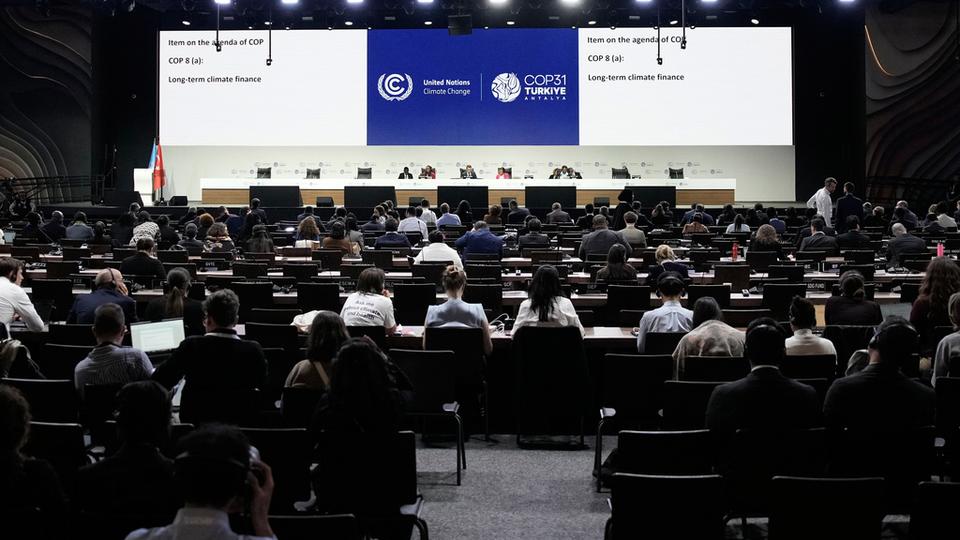
The C.O.P.31 United Nations climate conference in Antalya, Türkiye, became a focal point of global news on November 22 as countries clashed over fossil fuels, emissions commitments, and climate finance. Extended negotiations underscored deep divisions between nations pushing for stronger phaseout language and countries resisting those terms.
Competing Priorities on Energy and Adaptation
Supporters of explicit fossil fuel transition language argued that global climate targets require clear commitments away from coal, oil, and gas, while developing countries pressed for stronger funding to adapt to extreme weather. Others contended that draft proposals did not reflect consensus or economic realities.
Summit co-conveners and delegates held intensive sessions as the fortnight-long gathering overran its scheduled close. The standoff revived long-running debates over how international climate summits reach agreement under mounting environmental pressure.
What Comes After the Standoff
Governments, businesses, and climate advocates are watching whether late diplomatic efforts salvage a deal or leave key questions unresolved.
The summit's outcome will shape international climate diplomacy heading into next year.


